The Guadiana runs through Alentejo. The Garonne cuts Bordeaux in two between the Médoc and the Graves. The Saône drains the Côte d'Or past Beaune and Nuits-Saint-Georges. The Marne threads the chalk hills of Champagne between Épernay and Aÿ. In October, all four of these rivers watch the same thing happen on their banks: the harvest. So the honest answer to the question — are vineyards open in October — is that vineyards in October are not just open, they are at the single busiest moment of their working year. Whether a given estate opens its gates to a visitor during those weeks is a different, and more interesting, question.
What the Numbers Actually Say
Four rivers, four harvest windows, one month that holds them all. That is the receipt. Read it slowly.
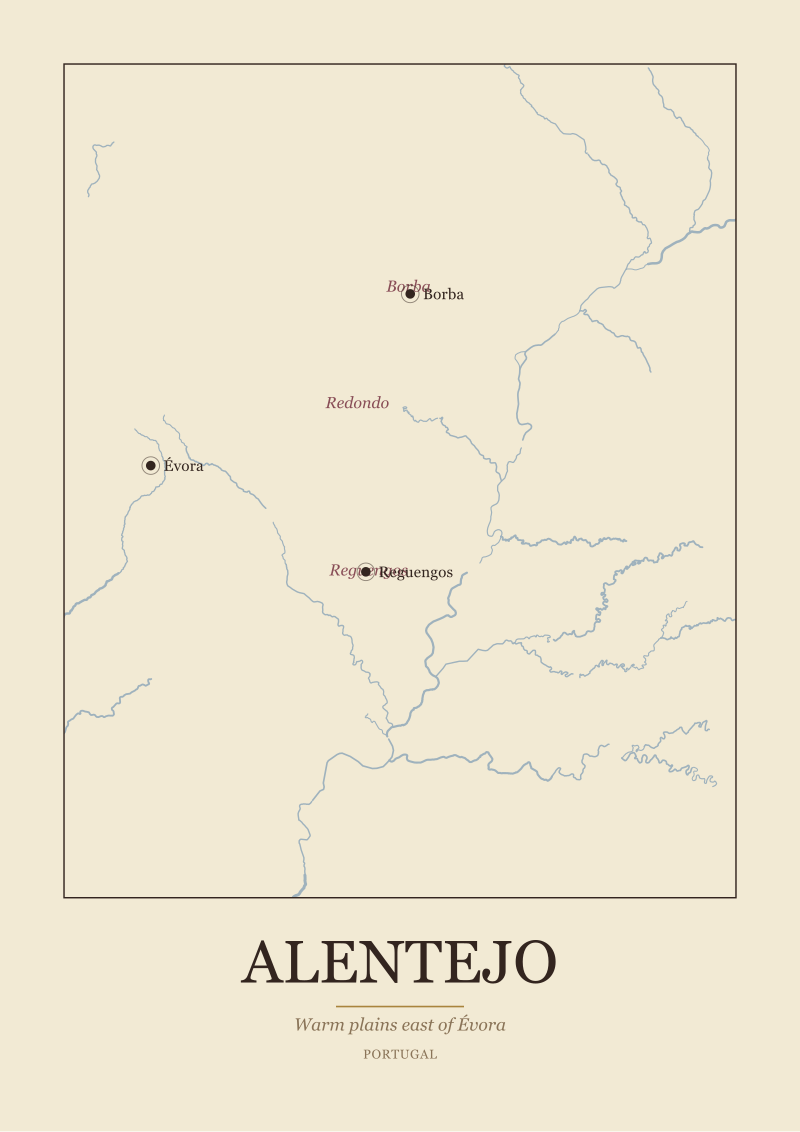
The Guadiana flows south through the warm plains of Alentejo, past Évora, Reguengos and Borba. These are low, hot lands by European standards, and the heat matters: in the Alentejan subzones around Borba, Redondo and Reguengos, grapes ripen earlier than they do anywhere further north on the map. By early October, the whites are usually in, and the reds are being carried in trailers from the vineyards to the press-houses in the first two weeks of the month. By the time Burgundy begins picking, Alentejo is often finishing.
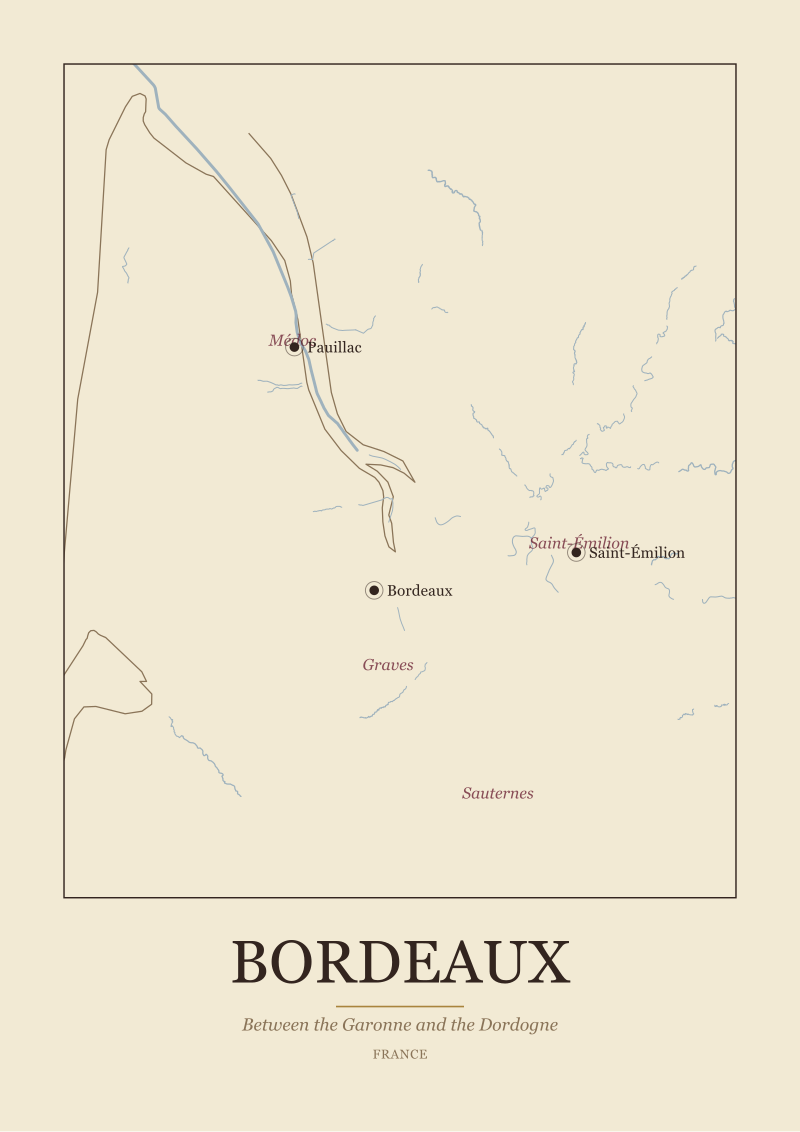
Move north and west, and the Garonne tells a different story. In Bordeaux, the river splits the region into the two shelves that still define it: the gravel of the Médoc on the left bank, the limestone and clay of Saint-Émilion on the right. The whites of Graves and the sweet wines of Sauternes are usually brought in before the great Cabernet-based reds of Pauillac and Saint-Julien, which hold out longest, often into mid- and late October. In a cold year, growers in the Médoc will still be picking the week before Toussaint. The gravel keeps the vine awake; the vine takes its time.
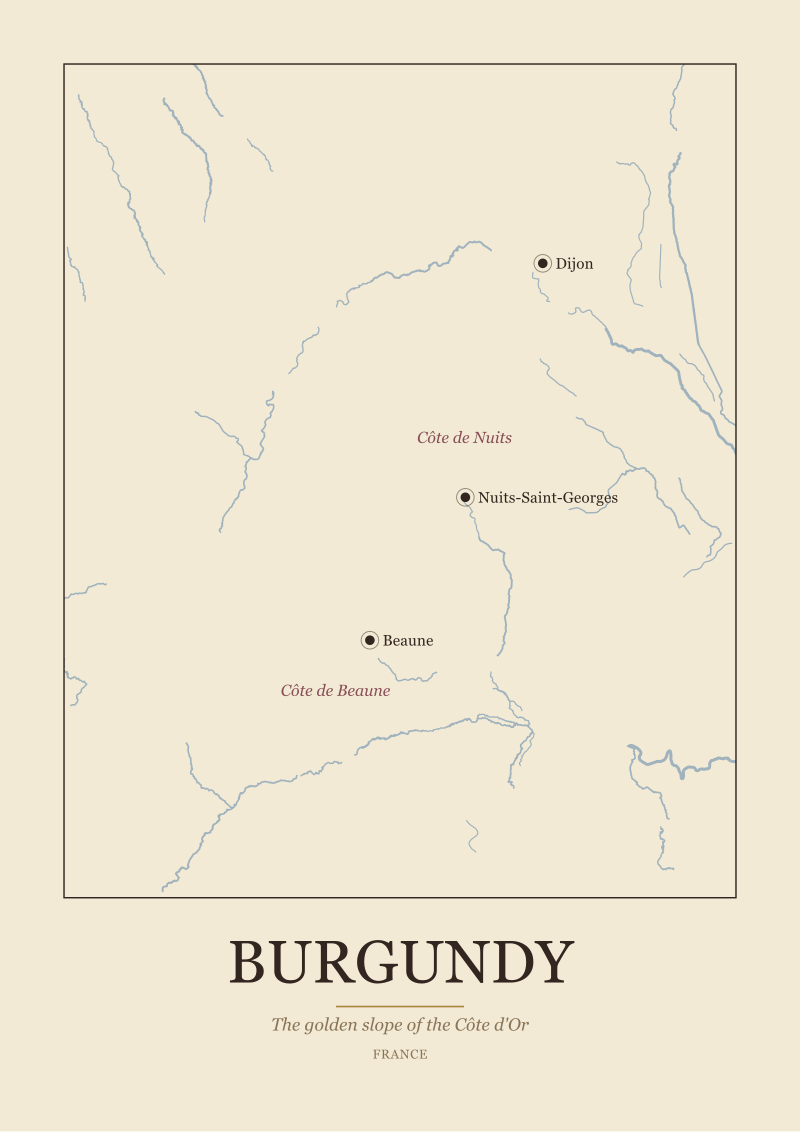
Burgundy sits further east, where the Saône drains the long escarpment that is the Côte d'Or. Here the harvest is tighter and shorter, concentrated almost entirely into the first three weeks of October in the Côte de Beaune and the Côte de Nuits, from Nuits-Saint-Georges in the north down past Beaune. The slope faces east. The light arrives early. The Pinot Noir, which is thin-skinned and nervous about rain, has to come off before the autumn weather closes in from the west. Dijon's streets fill with pickers who disappear again by the end of the month.
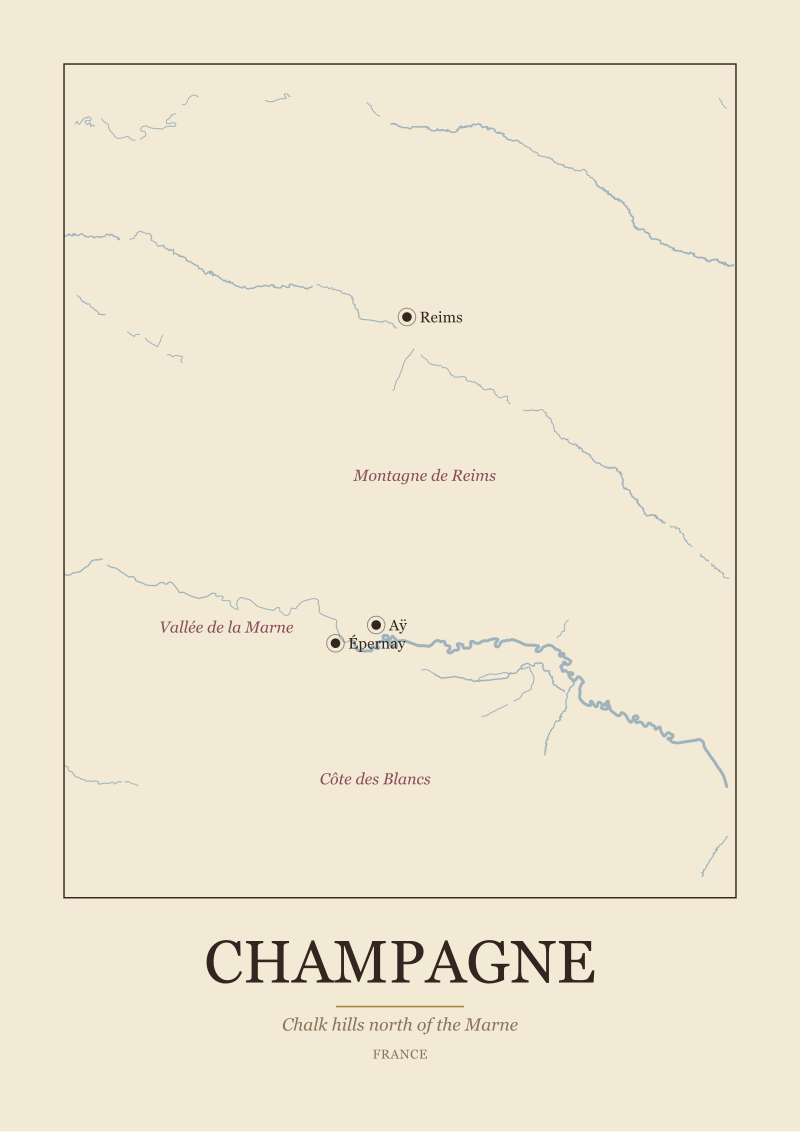
North again, in Champagne, the Marne runs between Épernay and Aÿ, with the Montagne de Reims rising to the north and the Côte des Blancs falling to the south. This is where grapes barely ripen in a normal European year, and the harvest window reflects that geography. Picking starts late — often not before the second week of October in a cooler vintage — and runs fast, because the chalk-grown Chardonnay and Pinot cannot sit on the vine once the first autumn rains settle in.
Four rivers. Four windows. One month. That is why October is the one month that is never quiet in Alentejo, Bordeaux, Burgundy or Champagne. Every tractor, every press, every cellar hand is working — and the vineyard, as a place on the map, is as alive as it will be all year.
What Nobody Mentions
Here is where the question gets more honest. "The vineyard is open" and "the estate is open to you" are not the same sentence, and in October the gap between them widens.
A vineyard is a landscape. In October it is open to anyone who drives the D2 up through Pauillac, or walks the slope above Beaune, or stands on the chalk ridge above Aÿ. The gates to the land, in the physical sense, do not close. But the estate — the château in the Médoc, the domaine in Burgundy, the maison in Champagne, the quinta or herdade in Portugal — is a working business, and in harvest week that business is making wine, not receiving visitors. The two things do not combine easily.
The pattern varies by region, and the geography is why.
In the Côte d'Or, where the great domaines are small, family-run operations clustered inside villages like Vosne-Romanée and Chambolle-Musigny, harvest week usually means the cellar door is closed to walk-ins. The owner is on the sorting table. The cellar hand is driving the press. A booking made in July can hold; a tourist knock on the door in the second week of October will often go unanswered, politely. Beaune itself — the market town at the centre of the Côte — stays busier than the villages, because its merchant houses are large enough to keep a tasting room staffed through the harvest. The slope empties; the town does not.
Bordeaux behaves differently because the châteaux are, on average, larger. A classed-growth estate in Pauillac or Saint-Émilion often has a dedicated hospitality team separate from the cellar team, which means the gates can stay open to booked tastings even while the harvest crews are at full tilt in the back courtyard. Walk-ins are still unlikely. Appointment-only is the honest rule.
Alentejo frequently sits ahead of this problem. Because the harvest in Évora, Reguengos and Borba often finishes before mid-October, many estates return to a near-normal visitor rhythm from the third week of the month. By late October, the Alentejan press-houses are quiet; the autumn light is on the plain; the gates reopen with more time, not less.
And then there is Champagne. Épernay behaves differently from Évora in the same week for one simple reason: the harvest here starts late and compresses hard. The big Reims and Épernay houses — the names on the Avenue de Champagne — keep their visitor cellars open through October because their cellar operations happen underground and at scale, decoupled from the surface harvest. The grower-producers out in the villages of the Montagne de Reims or the Vallée de la Marne, by contrast, often close to visitors entirely for the picking window. Two Champagne addresses, three kilometres apart, can have opposite answers in the same week.
 Champagne
The print from this article · from €29.95
View the print →
The Real Cost
Visit in October and you are not simply "coming during harvest." You are making a specific trade, and the trade has a geographic shape.
Start with light. The slope above Beaune in late October has a lower sun than the slope above Beaune in June, which flattens the colour of the vine rows and softens the shadows along the drystone walls that mark climat boundaries. For a photographer, this is the compensation of the season. For a visitor who wants to understand why the Côte d'Or is called golden, the answer is literally in front of them: in October the Chardonnay leaves turn, and the slope earns the name. The trade for that light is that the press-houses behind the walls are full, loud and off-limits.
Move to Bordeaux and the trade reverses. The light on the gravel of the Médoc is useful but not transformative; the fields do not change colour the way the Côte d'Or does. What you get instead is access, in a specific sense: estates that charge well for a reserved tasting are often willing to run that tasting in the middle of harvest week, with the chai doors propped open and the smell of fermenting Cabernet carrying across the courtyard. Lower-season rooms are the quiet dividend. Pauillac in October is not Pauillac in June — the hotels along the estuary are substantially cheaper, the tables at the fish restaurants on the quay in Bordeaux city are available on the night you want them, and the drive up the D2 is a pleasant one rather than a queue. The region works for the visitor who books.
Burgundy's trade is almost the opposite. Beaune in October is booked out, not quiet. The town hosts the harvest crews, the négociants' buyers, the wine press, and — in November — the Hospices de Beaune auction, which draws its own machinery into the hotels from the third week of October onward. A room in Beaune in mid-October costs more than a room in Pauillac the same week, and the restaurants are full. The slope is yours; the town is not. That is the Burgundy trade.
Champagne gives you a third pattern. The Avenue de Champagne is working — the big houses are open, the underground cellars are cold, the tastings are running — and the hills around Reims and Épernay are at their most legible, because the vines line up along the chalk ridges in a way that is harder to read in high summer when the canopy fills in. The trade is that the small growers you might most want to visit are often closed, and that the weather on the Marne in October is unreliable in a way the Garonne, further south, is not.
Alentejo is the quiet reward. If you want vineyards without the harvest-week closures, Évora and Reguengos in the last week of October are the Wine Map's answer. The whites are already in cellar, the reds are following close behind, and the estates reopen to a visitor rhythm. The slope has turned, the Guadiana is low, and the plain is at its most beautiful month of the year.
If You Only Remember One Thing
Vineyards in October are not closed. They are busy. The honest question is not whether the vineyard is open — the vineyard, as a place, is more open to the eye in October than in any other month, because the harvest is the single moment where you can see what a wine region actually is.
The honest question is whether the estate you want to visit is receiving guests the week you want to come. Book ahead for Burgundy, book ahead for Champagne growers, book normally for Bordeaux, and go late in the month for Alentejo. The river tells you when; the slope tells you where; the maison, the château, the domaine and the herdade each have their own answer. The map of the regions does not change in October. The map of welcome does.
If you want to carry a region home afterwards, our studio draws these places from real geography — the Guadiana, the Garonne, the Saône, the Marne — and the maps live at our shop.
 Bordeaux
The print from this article · from €29.95
View the print →
FAQ
Can I actually walk through a vineyard in October during the harvest?
Yes, in nearly every case the vineyard landscape itself remains walkable in October — the public roads, lanes and footpaths that cross the Médoc, the Côte d'Or, the Montagne de Reims and the Alentejan plains are not closed during the picking. What changes is that you are walking past active work: tractors on the lanes, pickers in the rows, trailers headed back to the press-house. Stay out of the rows themselves and off private estate roads, and you will see the single most important week of the vineyard year from very close up.
Which of the four regions is the best choice for an October visit?
It depends on what you want. For harvest atmosphere in a working town, Beaune in Burgundy is the dense answer, though it books out early. For châteaux access with lower-season rooms, the Médoc around Pauillac is the Bordeaux pattern. For the big Champagne houses on the Avenue de Champagne in Épernay, the harvest barely affects visitor access, because the cellars are underground and the operations decoupled. For the quietest and most generous welcome late in the month, Alentejo around Évora, Reguengos and Borba is where the Wine Map would send you.
When exactly does the harvest end in each region?
There is no single calendar date. In Alentejo, picking is often finished by the middle of October, sometimes earlier in a hot year. In Burgundy, the Côte d'Or usually wraps up during the third week of October. In Bordeaux, the late-ripening Cabernet of the Médoc can run into the final days of the month, especially in a cool vintage. In Champagne, the compressed harvest window typically closes before mid-October, though late starts in cool years push it later. The receipt varies by vintage; the sequence is reliable.
Are the big names like Pauillac, Beaune, Reims or Épernay more or less busy than usual in October?
Beaune and the Burgundy villages are at their busiest, because the harvest crews, buyers and auction trade all converge on the Côte d'Or in October and early November. Pauillac and the Médoc are quieter and cheaper than high summer, because Bordeaux's international visitor flow drops off. Reims and Épernay stay about as busy as in summer — the big houses keep their visitor rhythm independent of the surface harvest. Évora and the Alentejan towns are off-peak and welcoming, especially after the third week.
Will the vineyards still look green, or will the leaves have turned?
By mid-October, the leaves are turning in all four regions, and by the end of the month the slopes have changed colour almost everywhere on the Wine Map. The Côte d'Or earns its name — golden — most literally in the last two weeks of October, when the Chardonnay above Meursault and Puligny takes on the colour that the region is named for. The reds of the Médoc and the Montagne de Reims turn rustier, closer to copper. Alentejo turns later and more slowly, with the plain holding its colour into November.
Is October a good month to understand a wine region, or a bad one?
It is the best one. The vineyard, in geographic terms, is more legible in October than at any other point in the year: the canopy is thinning, the drystone walls between parcels become visible again, the slope reveals its contours, and the river running past the slope reads cleanly on the map and on the ground. If your interest is in why a region exists where it does — why Burgundy's wall faces east, why Champagne is where grapes barely ripen, why Bordeaux divides at a river — October is the month that shows you.
Do I need to speak the local language to visit vineyards in October?
Not in the larger estates of Bordeaux, the major Champagne houses in Reims and Épernay, or the tourism-geared quintas of Alentejo, where English is standard. In the small grower-producers of Burgundy and the villages of the Marne, local language helps materially, because the person showing you the cellar during harvest is often the owner, briefly away from the sorting table, and the conversation is shorter and warmer in French. A booking made politely in the local language is also likelier to be accepted during harvest week than a cold English email.
Why does the Wine Map treat October as a geography question rather than a travel one?
Because the geography is what makes October what it is. The reason Alentejo finishes picking before Burgundy begins is not calendar coincidence — it is latitude, altitude and the warm plain east of Évora. The reason Champagne harvests late and fast is the chalk hills north of the Marne, where grapes barely ripen and the window is narrow. The reason Bordeaux can harvest into late October is the gravel of the Médoc keeping the Cabernet patient. Read October through the river and the slope, and the whole month resolves into a map.
New regions and 10% off your first print.
One email now with your code. No noise after.